A 2 ml pod can meet one EU volume limit while its flavour or sales channel is prohibited locally. For European wholesalers, OEM brands and supermarket buyers, the useful question is how common product rules interact with national restrictions. This guide explains that relationship using the S05 as a concrete example.
The EU limits and their separate purposes
Article 20 of the Tobacco Products Directive (TPD), Directive 2014/40/EU, governs electronic cigarettes sold as consumer products within its scope. Products subject to medicinal authorisation or the specified medical-device requirements follow a different route. Compliance also requires attention to other relevant Union legislation.
For nicotine-containing liquid, Article 20 sets a 20 mg/ml concentration ceiling. It separately limits cartridges or tanks to 2 ml and dedicated refill containers to 10 ml. These measurements describe different things: concentration, liquid held in the device and liquid supplied for refilling.
A 10 ml refill bottle therefore does not justify a 10 ml nicotine tank. Nor does a puff count establish compliance with either volume limit. Buyers need the actual container configuration and liquid concentration before they can interpret a product claim.
What the S05 figures actually establish
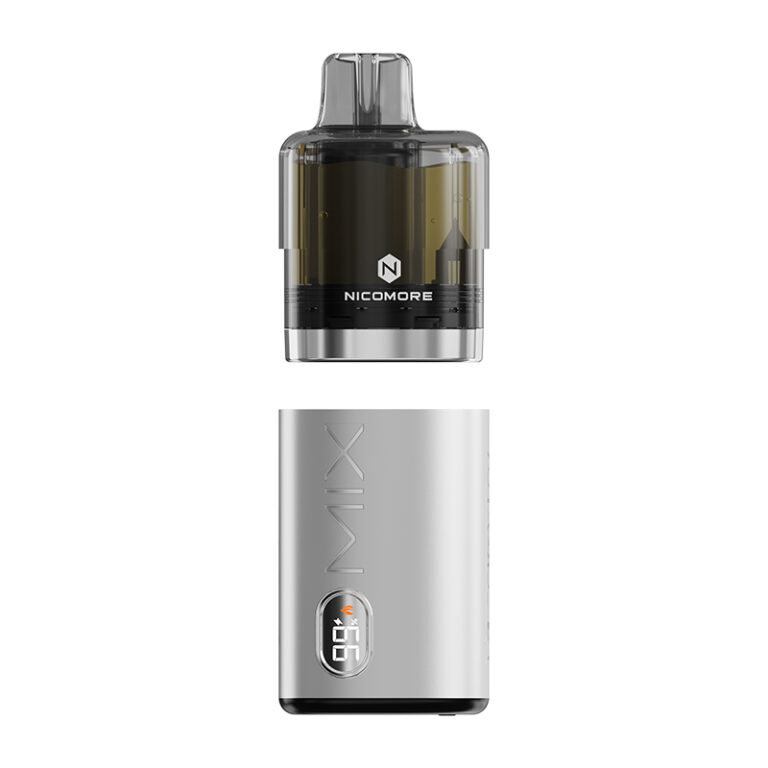
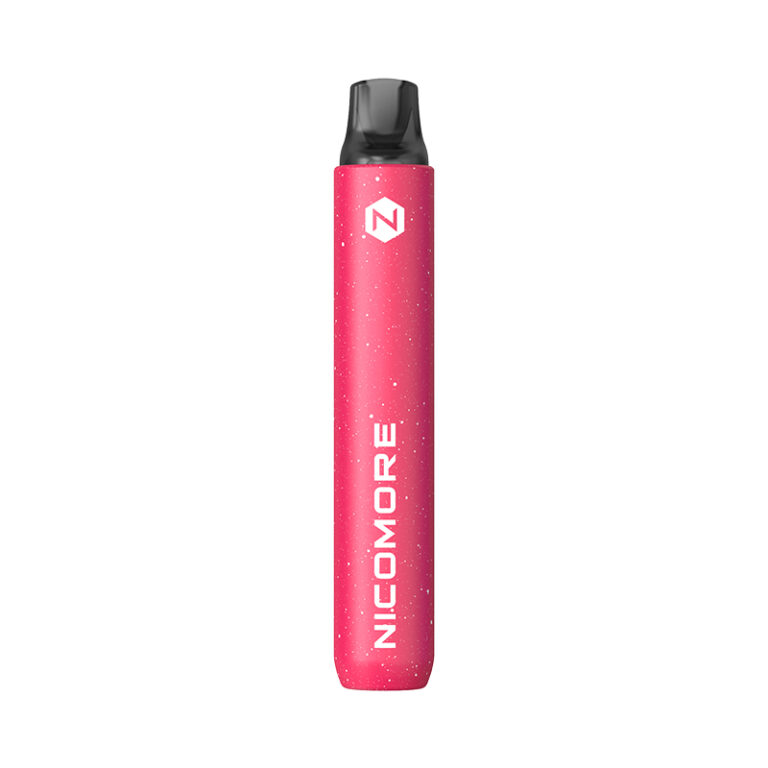
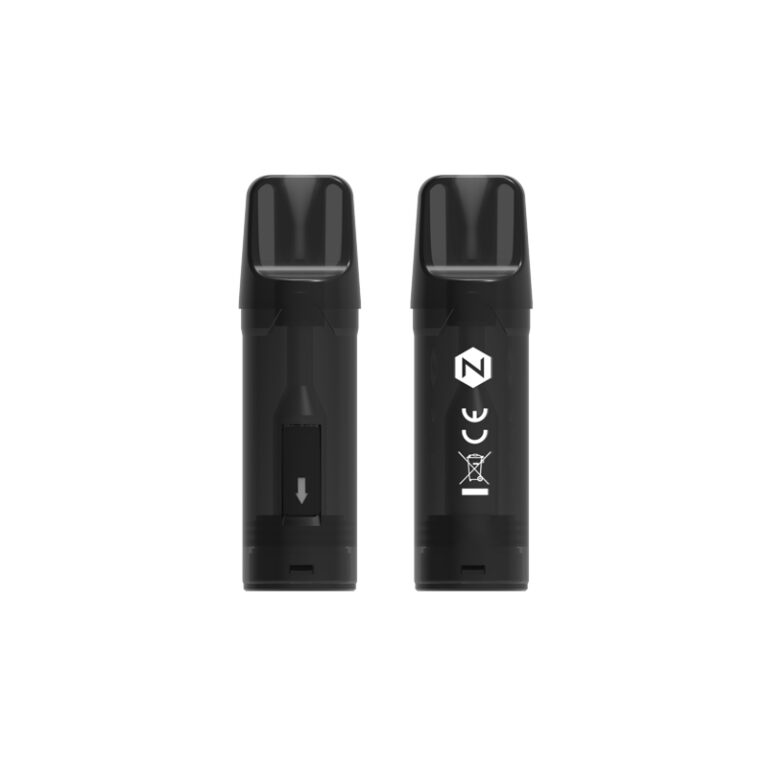
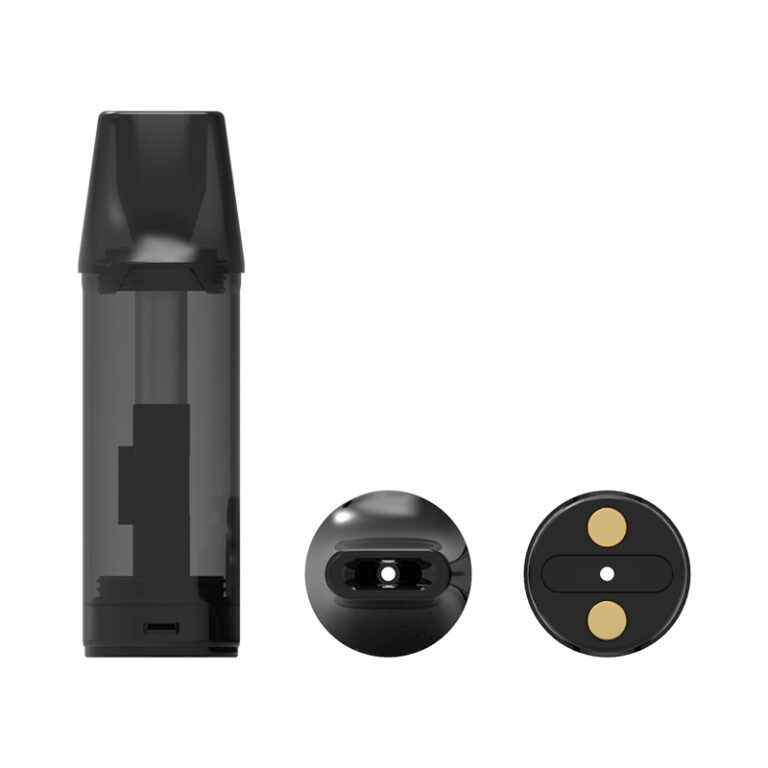
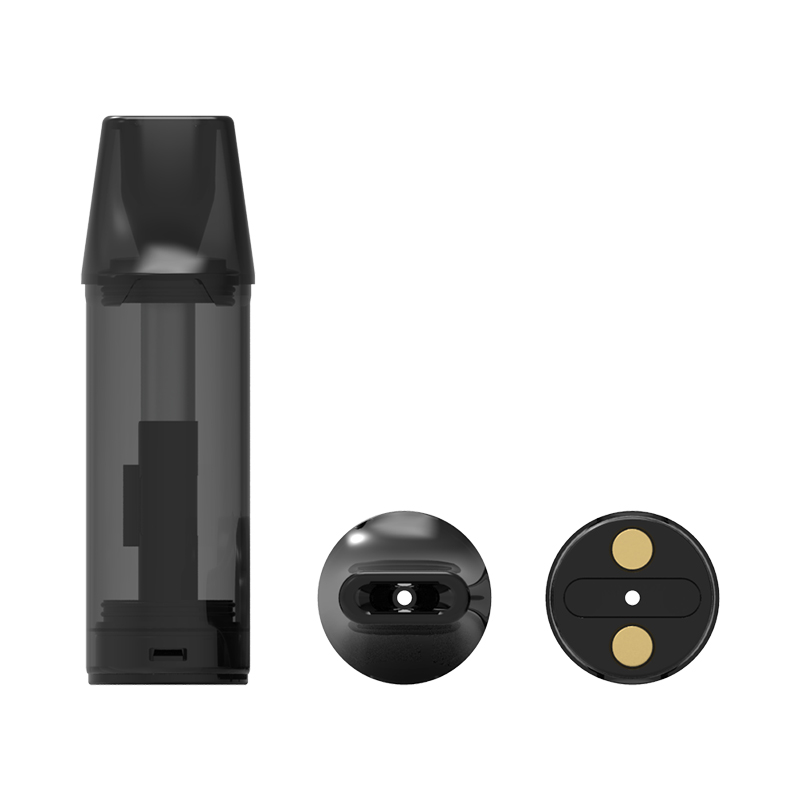
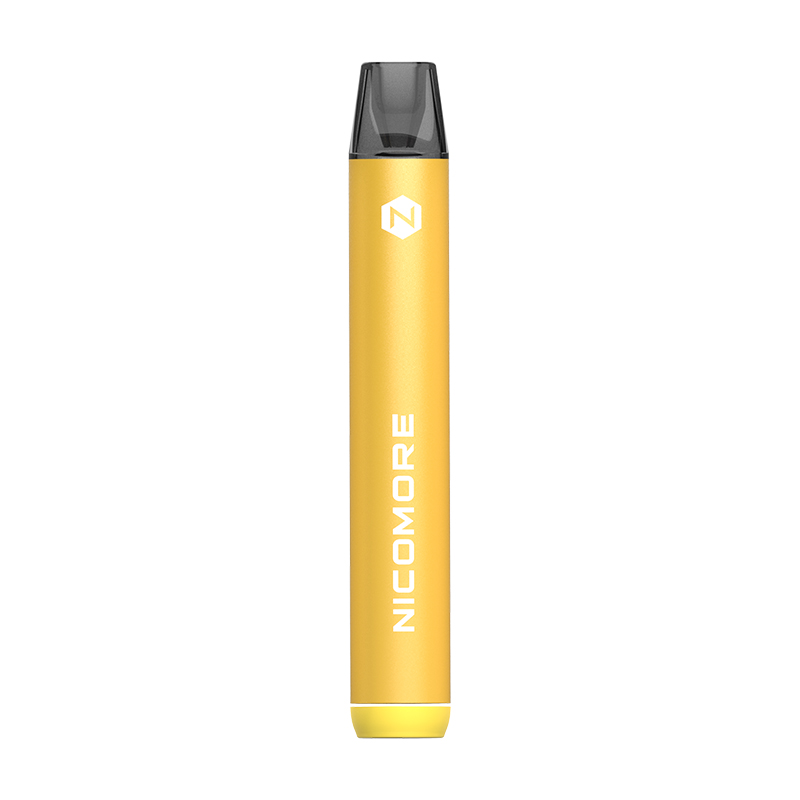
A real configuration makes these distinctions easier to apply. The NICOMORE S05 vape pod system uses 2 ml of prefilled liquid and a 1.6 ohm mesh coil. The following details help separate measurable specifications from conclusions that still need evidence.
| S05 detail | Meaning for a compliance review |
| 2 ml prefilled liquid | Matches the numerical cartridge or tank ceiling; other requirements remain. |
| 0 mg, 10 mg, 20 mg strength options | Confirm concentration in mg/ml. A strength designation alone does not establish that unit. |
| 1.6 ohm mesh coil | Identifies the coil configuration. Resistance alone cannot prove consistent nicotine delivery. |
For the 10 mg and 20 mg options, obtain the concentration specification and matching liquid evidence before approving labels. Do not silently convert an incomplete unit into mg/ml. A zero-nicotine option also needs its own assessment of the applicable national rules.
A pluma vape al por mayor range may contain several configurations. Keep the S05 liquid and component identity distinct when assessing that range; a specification shared by one model does not establish compliance for another.
Safety information follows the whole product
E-cigarette safety requirements extend beyond liquid volume. Article 20 addresses high-purity ingredients, consistent nicotine delivery under normal use, child and tamper resistance, and protection against breakage and leakage. The refill mechanism must prevent leakage during refilling. These are separate requirements, so satisfying one does not establish the others.
For a dispositivo de vapeo recargable, refill design is another point to assess. Refillability itself does not establish whether a particular capacity or liquid configuration is lawful in the intended market.
Packaging and leaflets serve different functions
Packaging must provide ingredients in descending order by weight, nicotine content and delivery per dose, a batch number and a keep-away-from-children recommendation. The required nicotine warning is also essential. Member States determine which of the two warning texts permitted by Article 20 is used.
The leaflet adds use and storage instructions, contraindications, risk-group warnings, possible adverse effects, addictiveness and toxicity information, and relevant contact details. Legible artwork and an accurate leaflet should be checked together: a complete warning panel cannot compensate for missing instructions.
Notification connects design and manufacturing
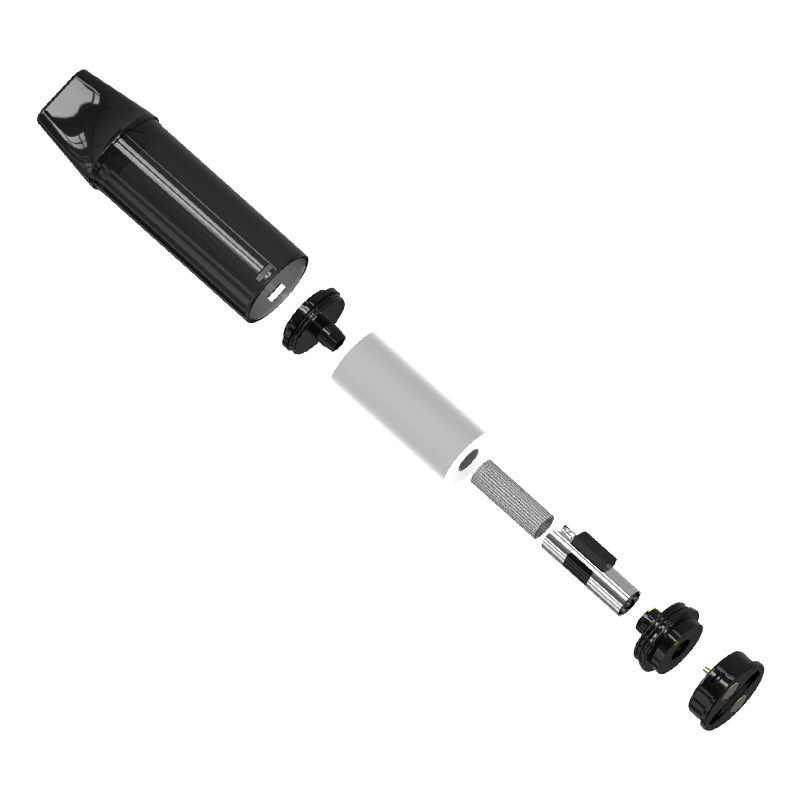
Manufacturers and importers must notify the competent authorities six months before the intended market launch. A substantial product modification requires a new notification. The submission includes ingredient and emissions information, toxicological data, nicotine-dose information, components and a description of the production process.
This obligation explains why manufacturing consistency matters to regulation. If the liquid, coil or construction changes, the responsible operator must assess whether the change affects the notified information or constitutes a substantial modification. A notification for one configuration cannot simply be assumed to cover another.
The production description needs to reflect what the factory actually makes. NICOMORE’s vape factory operates four automated pod production lines and has more than 50 quality-control personnel. Those resources support a discussion about process control; they do not independently prove regulatory approval for S05.
When proveedores mayoristas de vapeo coordinate an OEM programme, agree who maintains the notification and assesses changes. Link each production revision to its corresponding liquid, component and packaging information. This gives the importer a practical way to keep its regulatory responsibilities connected to manufacturing.
National rules can change the sales decision
A shared EU product framework does not guarantee every local sales route. The Netherlands demonstrates the distinction. Its government confirms that sales of non-tobacco-flavoured e-cigarettes are fully banned, and supermarkets have been prohibited from selling e-cigarettes since 1 July 2024.
For a supermarket buyer, that channel restriction matters even when a device meets the numerical TPD limits. A tobacco flavour does not remove the supermarket sales ban. Conversely, moving stock to another channel does not remove a flavour restriction.
Assess each destination against the current national rules, including:
- Permitted product types and flavours, including rules affecting nicotine-free variants.
- Sales channels, age restrictions and distance-selling rules.
- Local notification arrangements, warning language and effective dates of changes.
These examples were checked on 21 September 2026. They illustrate why a country review is necessary, rather than provide an exhaustive European market list. Recheck the relevant authority before launch and when changing the product, flavour or sales channel.
A compliance conclusion for each market
Compliant products require a connection between the exact configuration, safety and consumer information, notification, and national sales rules. For S05, the 2 ml specification is a useful starting fact. Products compliant with European laws and regulations require the remaining checks for each intended market.
Discuss the proposed S05 configuration and destination with the responsible importer and manufacturing team before committing to a launch.
Preguntas frecuentes
Does a 2 ml pod automatically meet the TPD?
No. The capacity addresses one numerical limit. Nicotine concentration, ingredients, safety, consumer information and notification requirements still need assessment for the exact product.
Are 10 mg and 20 mg the same as mg/ml?
Not without a concentration specification. Milligrams express an amount; mg/ml expresses concentration. Confirm the liquid concentration before comparing it with the 20 mg/ml ceiling.
How early must a new product be notified?
Article 20 requires notification six months before the intended market launch. A substantial modification also requires a new notification.
Can a compliant vape be sold in every supermarket?
No. National sales restrictions still apply. The Netherlands prohibits supermarket sales of e-cigarettes even if the device meets the product requirements.
Do automated production lines prove compliance?
No. Automation is a manufacturing capability. Compliance depends on evidence for the actual product, the relevant notification and the rules of its destination market.