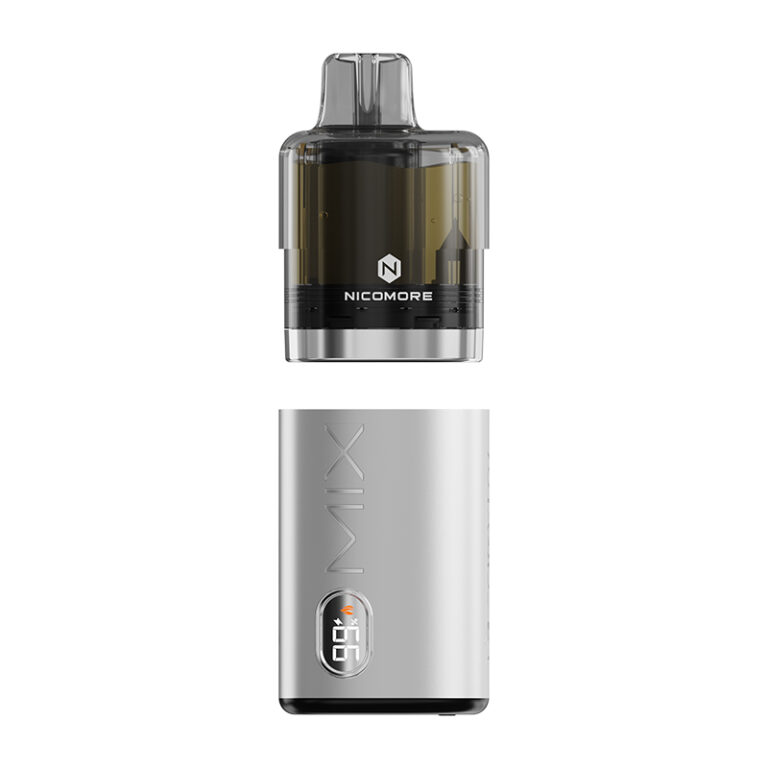
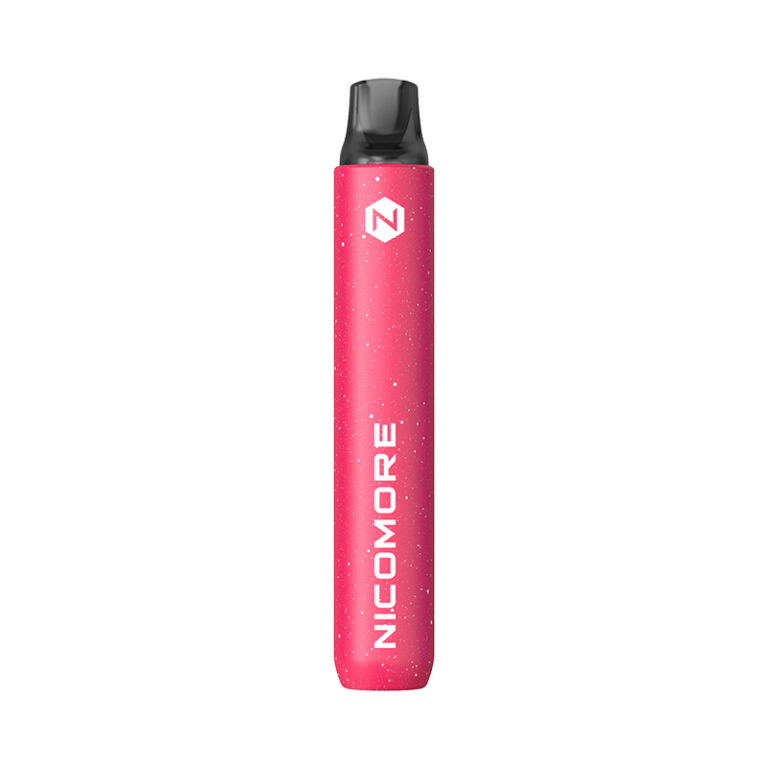
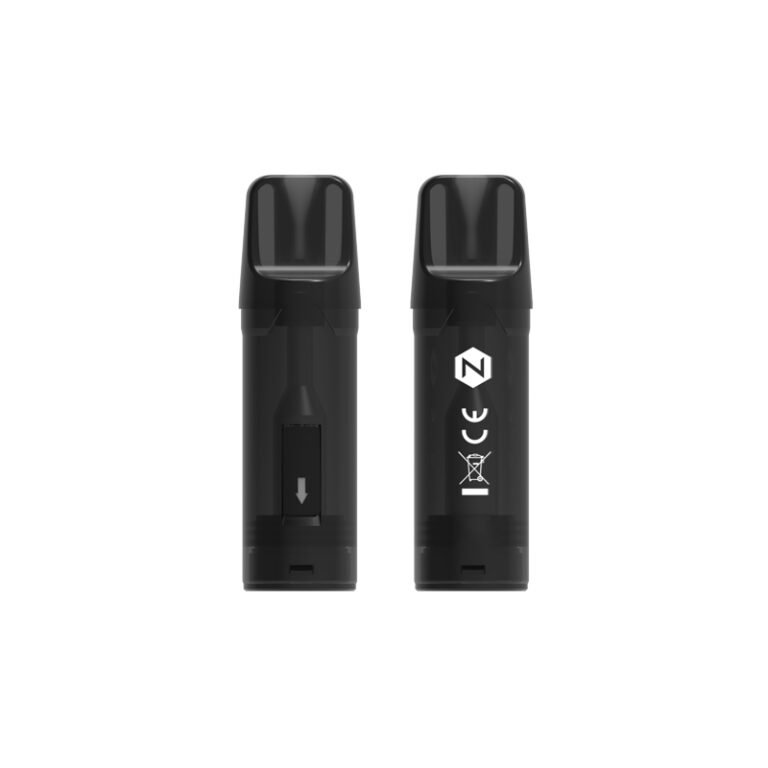
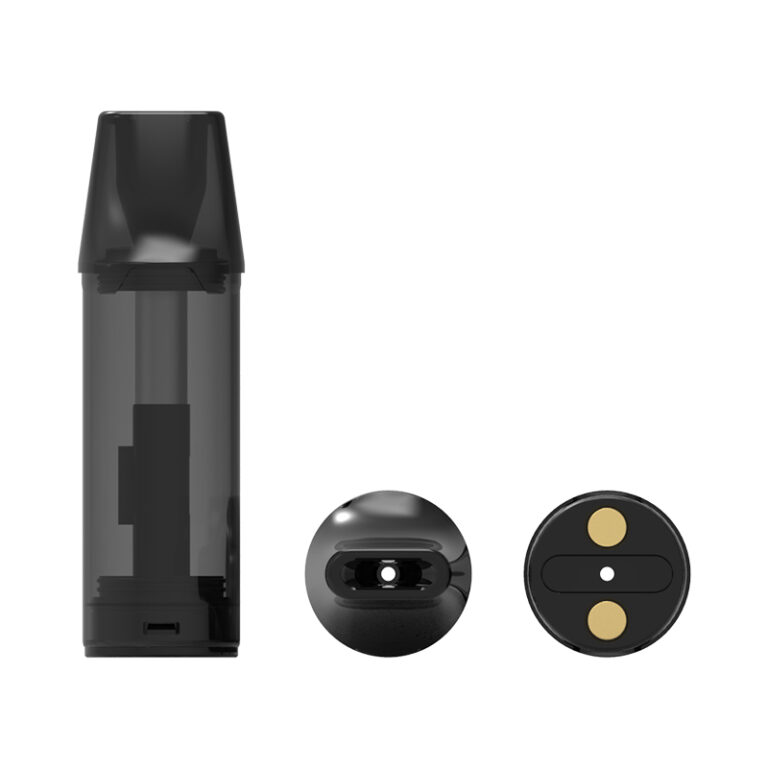
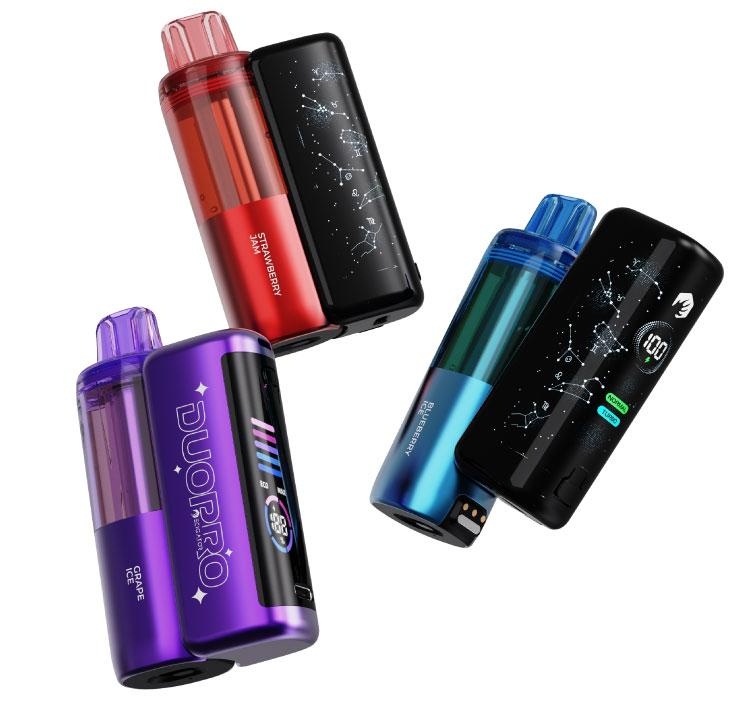
European buyers hesitate when a pod looks easy to launch but its evidence, packaging and market ownership are hard to control. The closed-versus-open decision is therefore less about personal preference and more about which format gives a retailer a repeatable route from sample to shelf.
The decision is about operating control
A closed pod uses a prefilled cartridge, while an open system expects users to handle e-liquid and refilling. Open systems offer broader liquid choice but create more variables in filling, labeling, storage and support. Closed formats narrow those variables, which matters when a European buyer needs one consistent launch across several stores.
Comparisons of closed pod system vapes often stop at convenience. For a Vape Pod System decision, a buyer needs a sharper question: which format can the business explain, replenish and review without creating a new compliance project for every variation?
Closed and open answer different retail needs
The retail context determines whether a narrower system is a benefit or a limitation. A specialist shop may use open pods to offer more liquid choice. A supermarket or distributor with limited shelf support may prefer prefilled vape pods because the unit, flavor and instructions arrive as one defined offer.
| Buyer concern | Closed pod | Open pod |
| Range control | Fewer liquid variables per SKU | More liquid and filling choices |
| Store handling | Ready-to-sell cartridge format | Refill stock and handling steps |
| Customer explanation | Simple device-plus-pod story | More setup and care questions |
| Change exposure | Changes concentrate in approved SKU | Changes can affect liquid and packaging review |
The table shows where operational effort moves. Closed systems reduce handling at the point of sale; open systems exchange that simplicity for flexibility. The correct choice is the one your team can support after the first shipment.

Compliance starts with configuration
European compliance language becomes useful only when it is attached to an exact configuration. Under Article 20 of Directive 2014/40/EU, cartridges or tanks for nicotine-containing liquid must not exceed 2 ml, but notification information, ingredients and emissions, nicotine delivery, safety features, packaging and consumer information remain separate checks.
Treat compliant products as a scoped statement, not a badge. The buyer should know which model, liquid plan, packaging revision and destination it covers. Products compliant with European laws and regulations still need a named owner for national notification and market review.
What 2 ml confirms
A 2 ml entry can confirm that a declared pod or cartridge sits within the capacity limit when the measured configuration is the one being sold. Keep capacity next to model identity, not floating alone in a sales table.
What 2 ml does not confirm
Capacity does not prove that the liquid, emissions data, warning artwork, responsible operator or notification record is current. It also does not prove that a sample represents the batch that will ship.
For a practical evidence review, ask for these four linked records:
A controlled specification naming the model, pod, liquid and intended market.
A regulatory file or notification reference tied to that exact configuration.
Approved packaging and consumer information for each destination language.
A production and release record that identifies the batch shipped.
If one link is missing, clarify ownership before placing a broad launch order.
The buyer’s practical comparison
A product sample answers fit, draw, finish and basic operation. A European buyer also needs to see whether the supplier can keep the approved version stable through customization and series production.
For example, among vorgefüllte Vape-Pods, the S05 is documented with a 2 ml pod, 500 mAh battery and 1.6 ohm mesh coil. Those details identify the version being evaluated. They do not authorize a buyer to transfer another model’s evidence to S05, and they do not replace destination-market review.
Ask what changes trigger a fresh check. Changes to the pod, liquid, nicotine plan, coil, battery, product name, artwork, responsible operator or destination can alter the evidence path.
Translate product fit into launch readiness
A closed pod is a strong candidate when the buyer wants a small number of repeatable SKUs, clear replenishment and simple store handling. It is a weaker fit when the offer depends on constant liquid experimentation.
Name the destination before approving the claim
The directive provides a shared framework, while Member States administer notification and may differ in language, fees, timing and additional rules. Name the countries, responsible Union contact and packaging version before using TPD-ready or market-ready.
Give the factory a defined role
A vape factory is most useful when it coordinates product identity, manufacturing records and change control. We operate four automated pod production lines at NICOMORE, supported by R&D and quality teams, to keep a defined configuration repeatable from sample to series production. This supports the evidence chain; it does not replace destination-market review.
This is the standard a buyer should expect from a vape factory: a clear owner for revisions, records and production alignment rather than a claim that every model is covered. A capable vape factory should make those ownership lines visible.

A release decision that survives review
Closed pods are often the better decision when the business values a defined SKU, limited handling and a controlled evidence trail. Open pods remain sensible when flexibility is the central offer and the buyer has the people and review capacity to manage it.
Use 2 ml as the beginning of the conversation, then connect it to the configuration, destination, packaging and production batch. When one link is missing, hold the decision before the shelf date is fixed.
For a product-range discussion, share the target countries and intended SKU structure with our team. We can map the format to a controlled manufacturing path, while the buyer retains final market review. Our broader vape pod system range can then be considered in the context of the actual launch.
FAQ (häufig gestellte Fragen)
Are closed pods automatically compliant in Europe?
No. The closed format simplifies product identity and handling, but compliance still depends on the exact model, liquid, notification, packaging, safety features and destination requirements.
Is a 2 ml pod enough to prove TPD readiness?
No. The 2 ml limit is one capacity requirement. Buyers must also match the product to notification information, ingredients and emissions, warnings, consumer information and the production version that will ship.
When is an open pod system the better choice?
An open system can be better when a retailer’s value comes from liquid variety, refill flexibility or informed in-store service. The added handling and review work should be treated as part of that offer.