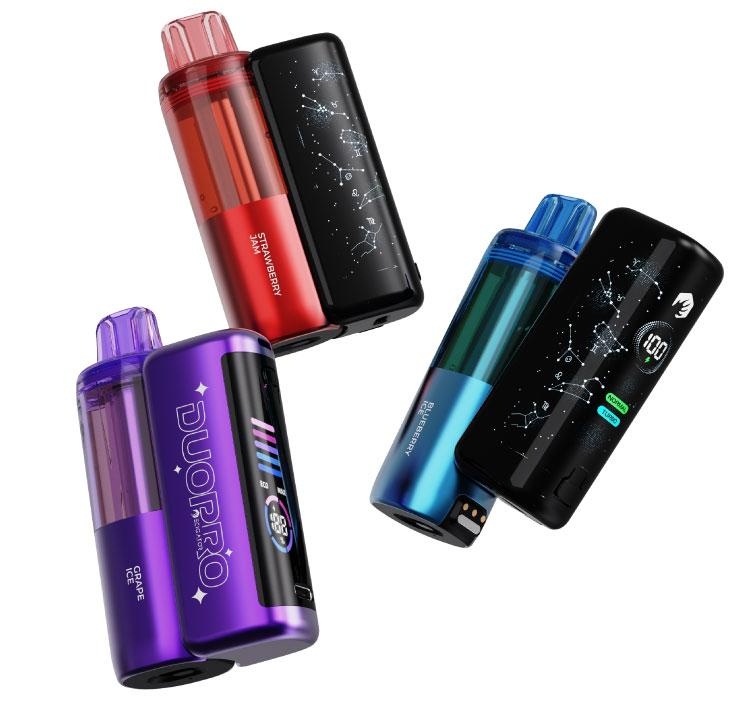
Adding a zero-nicotine listing can expand a European vape range. However, it brings up a tricky question. What actually changes when the liquid shows 0 mg? For wholesalers, this answer impacts assortment logic. It also affects labels, verification, and country checks. The S05 provides a useful reference point. This is because the same compact format comes in 0 mg, 10 mg, and 20 mg versions. This guide explains how to position these different strengths. It ensures you do not treat 0 mg as a health claim or a quick compliance shortcut.
The 0 mg Option Changes the Range Logic
A zero-nicotine vape is a device filled with liquid formulated at 0 mg/ml nicotine. It can serve adult customers who want a familiar pod format without nicotine, yet that does not make the aerosol harmless. It also does not turn the product into a toy, wellness item, or cessation medicine. Its commercial role is a distinct strength choice inside an age-restricted adult range.
An 0 nic vape therefore needs its own SKU logic rather than a casual label change. Buyers should separate demand forecasts, packaging text, product records, and sample approval from nicotine-containing versions. That separation helps distributors avoid mixed cartons, ambiguous product pages, and claims that cannot be supported in the destination market.
A nicotine claim is still a measurable claim
Stating 0 mg is a formulation claim. This claim needs proper verification. The World Health Organization has issued warnings about this. They noted that some items sold as nicotine-free actually contained nicotine. Wholesale acceptance must confirm several details. The liquid specification, test proof, label, and final SKU must all match perfectly. This is strictly a quality-control issue. It is not just a marketing preference.
Nicotine-free does not mean regulation-free
The EU Tobacco Products Directive Article 20 establishes specific limits. It sets a 2 ml tank or cartridge maximum. It also sets a 20 mg/ml limit for nicotine-containing goods. Nicotine-free e-cigarettes sit outside that broad EU definition. However, individual Member States can enforce their own national rules. Moreover, the EU General Product Safety Regulation takes effect from 13 December 2024. Therefore, buyers still require a well-documented safety and traceability path.

S05 Keeps the Hardware Constant Across Three Strengths
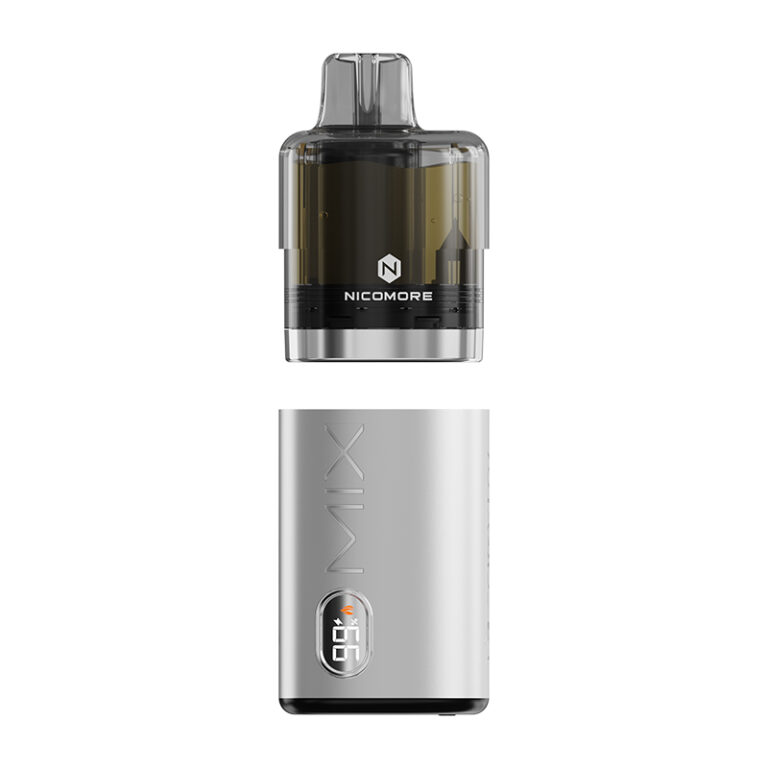
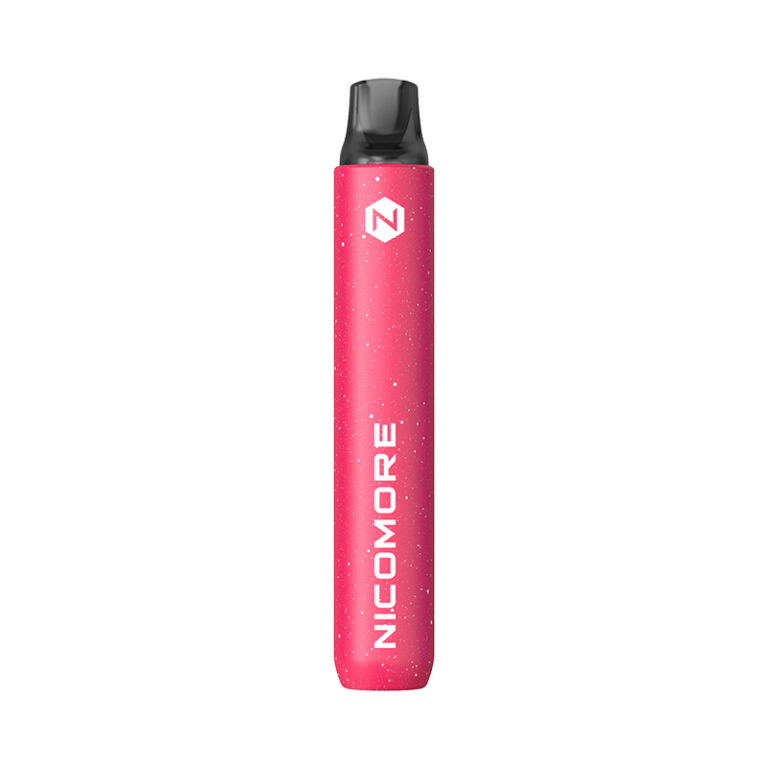
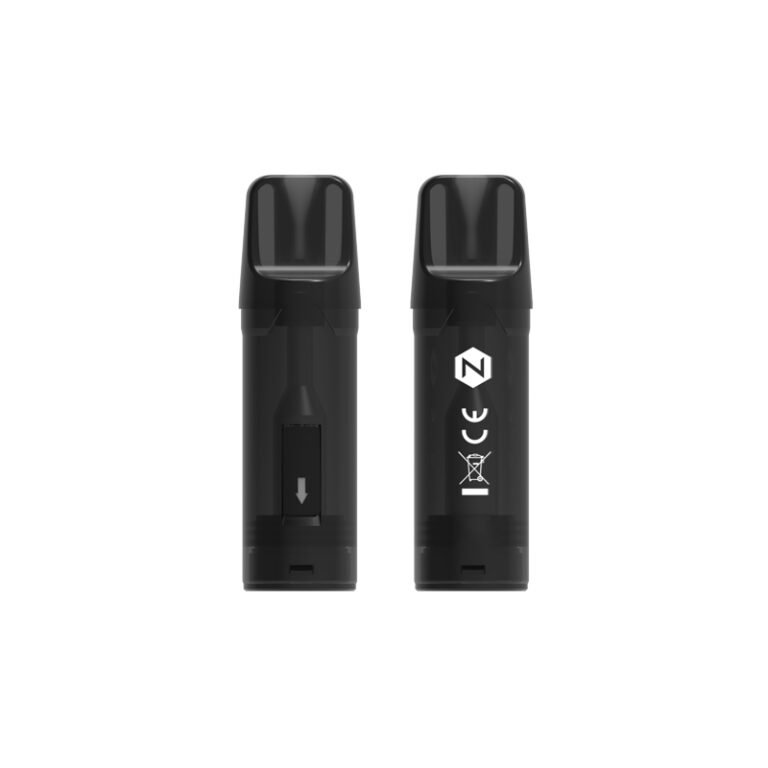
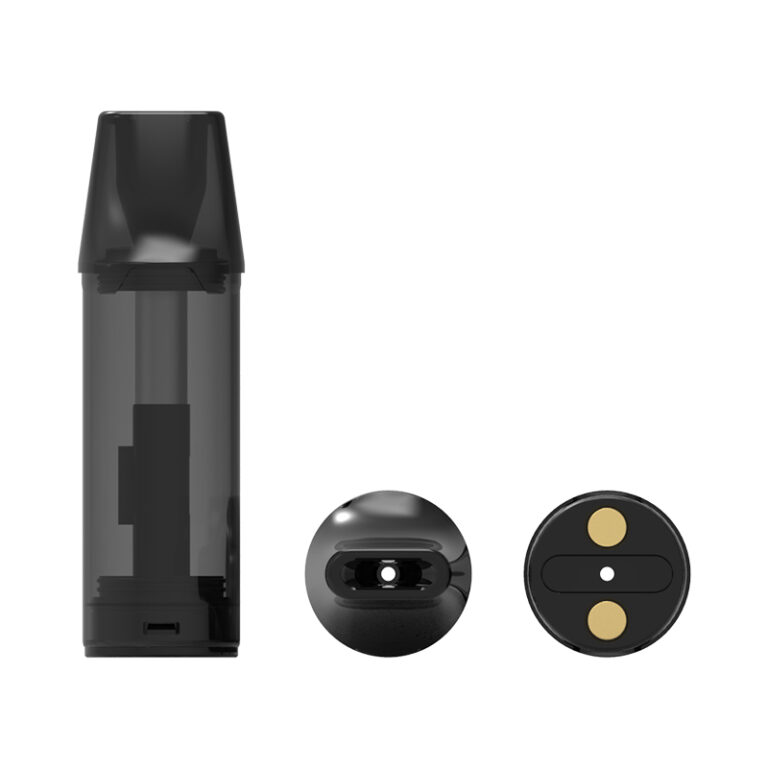
The S05 gives range planners a stable hardware baseline while strength changes. Its prefilled 2 ml format uses a 500 mAh integrated battery and 1.6-ohm mesh coil, with a 600-puff configuration. The cylindrical device measures 16 mm in diameter and 108.3 mm in height. These fixed characteristics make the Vape Pod System easier to compare across 0 mg, 10 mg, and 20 mg SKUs.
| Strength | S05 format | Range role | Buyer verification focus |
| 0 mg | 2 ml prefilled | Nicotine-free adult segment | Formula, label, national rules |
| 10 mg | 2 ml prefilled | Lower-strength nicotine option | Notification, pack, concentration |
| 20 mg | 2 ml prefilled | TPD ceiling option | Country status, pack, concentration |
A shared device shape can simplify merchandising, but it should not erase SKU boundaries. Strength must remain visible in purchase orders, artwork files, cartons, and warehouse records. The 20 mg version sits at the TPD nicotine ceiling, while the 10 mg version provides a lower nicotine step. The 0 mg version requires its own legal review because national treatment can differ from the nicotine-containing route.

Each Strength Needs a Clear Assortment Role
A strong assortment gives every strength a defined job instead of multiplying near-identical listings. Buyers can use 0 mg to serve a nicotine-free segment, 10 mg for adults seeking a lower nicotine concentration, and 20 mg where the destination market permits the maximum TPD concentration. The final mix should follow verified demand by country rather than assuming one European ratio will work everywhere.
0 mg fills a distinct adult range position
The 0 mg SKU works best when its role is explicit in retailer training and product data. It should never be described as safe, healthy, suitable for minors, or proven to help people quit. Clear language protects the adult positioning and keeps the distributor focused on what can be verified: nicotine concentration, product identity, instructions, and market eligibility.
10 mg and 20 mg require market-specific checks
Nicotine-containing versions need the full destination-market review before launch. Article 20 provides an EU baseline, yet language, notification timing, packaging, flavour restrictions, taxes, and sales channels can vary. A buyer should freeze the commercial range only after the responsible importer or regulatory adviser confirms the current national route for each SKU.
A compact range brief should answer five questions before samples are approved:
- Which countries and adult retail channels are in scope?
- What forecast belongs to each nicotine strength?
- Which label language and warning set applies to each SKU?
- What test, notification, and traceability records are required?
- How will cartons and warehouse codes prevent strength mix-ups?
Factory Coordination Protects the Range Promise
A three-strength program depends on disciplined handoffs between formula, device, artwork, production, and packing. That makes the factory relevant to the range decision. NICOMORE supports automated pod production and OEM/ODM development, allowing Großhändler für E-Zigaretten to be evaluated through controls that keep each S05 strength distinct.
The most useful factory conversation is specific to the planned SKUs. Buyers should request separate approved specifications, label files, samples, and carton identifiers for 0 mg, 10 mg, and 20 mg. They should also confirm how changes are controlled after approval. This approach connects manufacturing capability to a visible buyer outcome: the correct strength, in the correct pack, for the correct market.

A Practical EU Range Decision
The practical takeaway is that 0 mg expands choice without removing product responsibility. S05 offers a coherent hardware platform across three strengths, but each strength remains a separate commercial and compliance decision. A European buyer should validate demand, formulation, national rules, packaging, and traceability before setting the order mix.
For teams building a country-specific S05 range, NICOMORE can align the model configuration, strength plan, samples, and OEM/ODM documentation around one approved brief.
FAQ (häufig gestellte Fragen)
What does 0 mg mean in a zero-nicotine vape?
It means the liquid is made with exactly 0 mg/ml nicotine. Buyers must still check the final product and its label. This is because a nicotine-free claim is measurable. It must perfectly match the delivered SKU.
Is a 0 mg vape covered by TPD Article 20?
The broad EU Article 20 definition covers nicotine-containing e-cigarettes and refill bottles. Nicotine-free goods can still encounter strict national laws and general product-safety duties. Therefore, you must always check the destination country.
Can buyers use one S05 device across all three strengths?
The S05 is offered in 0 mg, 10 mg, and 20 mg versions with the same listed hardware format. Each version should remain a separately approved SKU with its own formula, label, and carton controls.
Does zero nicotine mean the product is harmless?
No. Removing nicotine does not make inhaled aerosol harmless. Product communication should remain adult-only, factual, and free from health, safety, or cessation claims that the evidence does not support.
What should an EU buyer verify before ordering 0 mg S05?
Verify the destination country’s current rules, the 0 mg formulation, finished-product evidence, labels, traceability, sample identity, carton coding, and change-control process before confirming volume.