A buyer sees 2 ml on a pod specification and may assume the compliance work is finished. It is not. For European sourcing, 2 ml answers one capacity question; TPD readiness depends on whether the exact device, liquid, packaging and market evidence agree. The goal is a defensible release decision, not a legal encyclopedia.
Why 2 ml Is a Checkpoint, Not a Verdict
The 2 ml figure matters because Article 20 of Directive 2014/40/EU limits cartridges or tanks used with nicotine-containing liquid to 2 ml. Yet the same article also covers notification, ingredients and emissions information, consistent nicotine delivery, child and tamper resistance, protection against breakage and leakage, and consumer information. A compliant capacity cannot prove a compliant product by itself.
The commercial mistake is treating a visible specification as a complete evidence file. A vape pod system can carry 2 ml while its notification status, destination packaging or production revision remains unresolved. The useful question is: ‘Which exact configuration does the capacity claim describe, and what evidence follows it into the target market?’
What a 2 ml Claim Can and Cannot Prove
A disciplined review separates observations from conclusions. One piece of evidence cannot prove four different things.
| Buyer sees | What it proves | What still needs evidence |
| 2 ml declared | Capacity checkpoint | Exact pod and liquid configuration |
| TPD file exists | Regulatory starting point | Model, ingredients, emissions and notification status |
| Pack looks correct | Artwork checkpoint | Destination language, warnings and revision approval |
| Sample works | Performance checkpoint | Production-lot traceability and release records |
This separation matters when comparing quotations. Two suppliers may both print 2 ml, but only one may connect the pod, liquid formula, packaging revision and shipment batch. That connection turns a specification into procurement evidence.

Match the Evidence to the Exact Pod
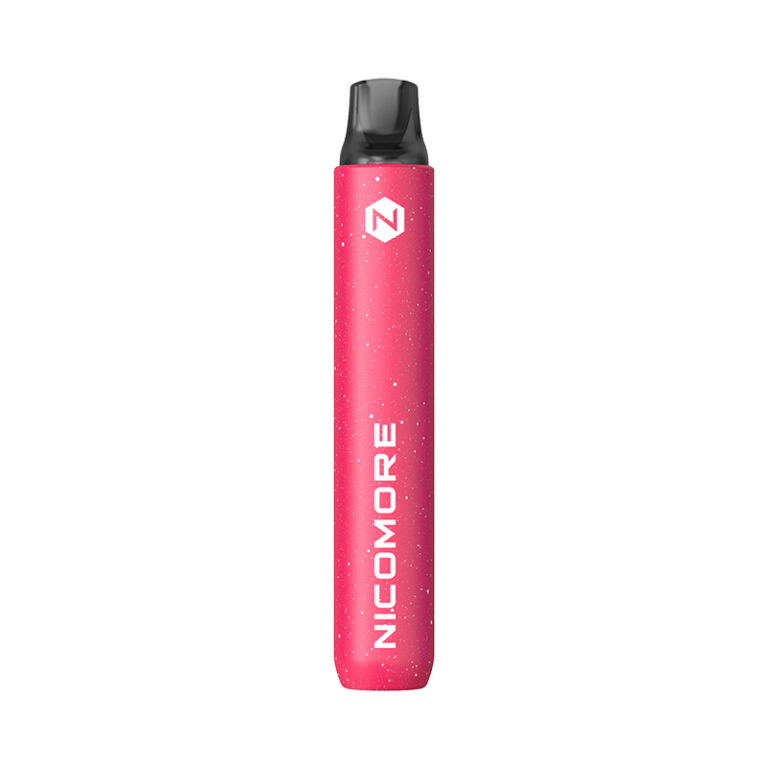
Configuration identity comes before document volume. The S05 combines a prefilled 2 ml pod, a 500 mAh battery and a 1.6 ohm mesh coil. Those values identify it more reliably than a generic puff-count description, but they do not establish every legal or market requirement. Each relevant approval should map unambiguously to this configuration.
Freeze one approval baseline
A useful baseline is specific enough to reject substitutions. It should freeze the model, pod capacity, liquid and nicotine plan, coil and battery, packaging revision, destination countries and responsible economic operator. A change should trigger a decision on whether the evidence, artwork or notification needs review.
The same logic applies to prefilled vape pods. A sample can confirm form and operation, while the approval baseline confirms the liquid, warning and market version. Keeping those roles separate prevents sample sign-off from being misread as blanket TPD approval.
Ask for evidence that travels with the batch
A strong evidence trail survives the move from desk sample to shipment. Buyers should be able to follow four linked records:
- A controlled product specification that identifies the approved configuration.
- A regulatory file and notification status tied to that configuration and market.
- Approved packaging and consumer information for the destination country.
- Production and release records that identify the actual batch shipped.
The list tests whether the product ordered is the product covered by the evidence and released from production.
Test the Claim Against the Destination Market
Market fit is the final test because TPD is implemented through national systems. Name the destination before accepting phrases such as compliant products or products compliant with European laws and regulations. Such claims are meaningful only when the seller defines the product version, market, evidence owner and review status.
Turn broad wording into four answers
Four questions reveal whether the claim is real: which version is covered, which countries are in scope, who owns notification and packaging review, and what triggers reassessment? Clear answers create ownership. ‘TPD-ready for Europe’ can hide country gaps until artwork, inventory and launch dates are committed.
Use the factory as the evidence coordinator
The factory matters because product identity can drift during customization and production. At NICOMORE, our four automated pod production lines support repeatable assembly, while our R&D and quality teams coordinate specifications, records and change reviews. This is useful only when it keeps the approved configuration aligned; it does not replace the buyer’s destination-market legal review. It is the standard wholesale vape suppliers should be asked to meet.

The Decision: Release, Hold or Clarify
A 2 ml pod can move forward when capacity, TPD evidence, destination packaging and the production batch all map to one baseline. Hold the order when a link is missing, and clarify it before treating the product as market-ready. A vague promise cannot protect a buyer from a mismatched revision.
The takeaway is simple: use 2 ml to begin the compliance conversation, not to end it. Buyers need one evidence chain from specification to market and batch. Share the target countries and S05 configuration with our team when the remaining ownership points need mapping before sampling compliant products.
FAQ
Is every 2 ml pod TPD compliant?
No. Capacity can satisfy one applicable limit, but TPD compliance also depends on device and liquid information, notification status, safety features, packaging, consumer information and national implementation. Compliant products must be scoped to a configuration and country.
Does TPD compliance cover every EU country automatically?
Not as a blanket assumption. The directive creates a common framework, while Member States administer notification and may differ in procedures, fees, language expectations or additional rules. Confirm each destination rather than approving ‘Europe’ as one market.
What should identify the exact S05 configuration?
Use the model name, prefilled 2 ml pod, 500 mAh battery and 1.6 ohm mesh coil, then add the liquid, nicotine, packaging revision and destination. This prevents evidence for another revision from being applied to S05.
When should a compliance review be reopened?
Reopen the review when the liquid, nicotine plan, pod, coil, battery, product name, warnings, packaging, responsible operator or destination market changes. The responsible regulatory owner should decide whether the change affects notification, artwork or other market evidence before release.
What is the fastest way to challenge a vague compliance claim?
Ask for four answers: the exact covered configuration, the named destination countries, the owner of notification and packaging review, and the record linking the production batch to the approved baseline. A supplier that cannot answer these points has not yet made the claim procurement-ready.